
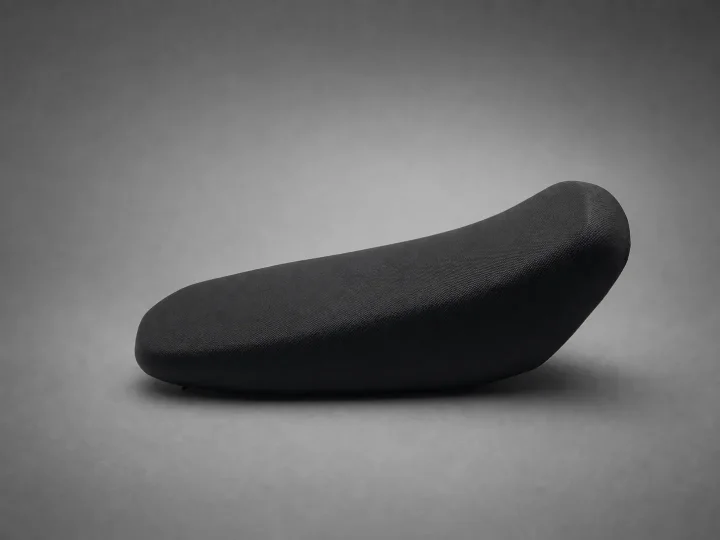
An electric scooter seat OEM project is an assembly-development project, not simply an upholstery order. The buyer must define the vehicle interface, seat pan, foam, cover, bracket or hinge, load conditions, outdoor exposure and supplied-component scope before a manufacturer can prepare a reliable quotation.
This guide covers electric scooter seats, seated scooter accessories and related electric moped seat projects. The exact construction varies by vehicle, so every requirement should be confirmed against the target platform.
What Does Electric Scooter Seat OEM Mean?
Electric scooter seat OEM means producing a seat or seat assembly to the buyer’s approved specification, branding and commercial requirements. The supplier may manufacture an existing design, modify a current platform or participate in ODM development of a new structure.
| Cooperation type | Buyer typically provides | Development work |
|---|---|---|
| Build to specification | Complete drawing, bill of materials and acceptance criteria | Manufacturing review and production preparation |
| Sample-based customization | Reference sample plus required changes | Measurement, material matching and change confirmation |
| Platform customization | Target vehicle interface and feature requirements | Adapt an existing seat platform |
| New ODM development | Application brief, interface data, targets and constraints | Concept, engineering review, prototypes, tooling and validation |
The RFQ should name the cooperation type. Otherwise, a buyer may expect a complete design service while the supplier quotes only production from an existing sample.
1. Define the Complete Assembly Scope
First state exactly what the quotation must include.
A scooter or moped seat assembly may contain:
- Seat pan, base or shell.
- Molded foam or layered padding.
- Cut-and-sewn cover.
- Staples, adhesive or other cover-retention system.
- Fixed bracket, folding post, hinge or mounting plate.
- Latch, lock interface or release mechanism.
- Rubber bumpers and edge protection.
- Fasteners and installation hardware.
- Labels, markings and packaging.
Use an exploded drawing or annotated photo to mark supplier-supplied and buyer-supplied parts. Also identify whether the quotation is for the upholstered seat only or a ready-to-install assembly.
2. Provide the Vehicle Interface
Fit problems are expensive because they can affect tooling, assembly and vehicle safety. Supply reliable interface information early.
Required inputs may include:
- Mounting-hole coordinates and tolerances.
- Bracket width, thickness and hole diameter.
- Hinge axis and opening angle.
- Latch position and engagement geometry.
- Clearance to the battery, storage box, frame or rear rack.
- Maximum seat envelope in open and closed positions.
- Required fastener specification.
- Mating component or representative vehicle part for fit checks.
For a removable accessory seat, define compatibility by dimensions and interface rather than using another brand’s trademark as the product identity. The buyer is responsible for confirming intellectual-property and market requirements.
3. Convert the Use Case Into Design Requirements
An OEM brief should describe how the seat will be used.
| Use condition | Possible design impact |
|---|---|
| Daily commuting | Comfort balance, cleaning and repeated use |
| Delivery or fleet use | Longer sitting time, frequent mounting and durability priorities |
| Outdoor parking | Cover, seams, UV exposure and water-management requirements |
| Hot climate | Surface temperature, material aging and color considerations |
| Rainy or humid climate | Seam placement, water entry paths and drying behavior |
| Folding seat | Hinge clearance, lock position, pinch points and repeated movement |
| Seat with storage | Hinge, latch, sealing interface and access clearance |
Words such as “heavy duty,” “comfortable” or “weatherproof” are not acceptance criteria. Translate them into agreed construction details and checks.
4. Develop the Seat Pan and Support Structure
The seat pan controls shape, stiffness, mounting and much of the load path. The engineering review should cover:
- Material and manufacturing process.
- Rib, boss and edge geometry.
- Mounting loads and fastener locations.
- Foam-support surface.
- Cover-retention zones.
- Bracket or hinge attachment.
- Drainage or underside openings where applicable.
- Access for assembly and service.
If a metal bracket is included, confirm material, thickness, finish, bend geometry, weld details and inspection points. If a hinge or latch is included, define the operating range and how fit and function will be approved.
5. Specify Foam for Support, Not Just Softness
Scooter and moped seat foam must balance initial comfort with support over the expected ride duration and load range.
Useful inputs include:
- Target seat height and foam envelope.
- Desired initial touch and supporting feel.
- Rider and load assumptions.
- High-pressure or edge areas to avoid.
- Single-rider or two-person seating layout.
- Expected riding duration.
- Temperature and aging considerations for the target market.
Foam density alone is not a complete comfort specification. Geometry, thickness, hardness, resilience, seat-pan support and cover tension all affect the result. Use physical samples and a documented evaluation method.
6. Engineer the Cover and Water Management
A waterproof scooter seat claim must refer to the complete seat construction and a defined test condition. Even when the cover sheet resists water, seams and attachment points can allow entry.
Review:
- Cover material and backing.
- Number and location of sewn panels.
- Seam orientation and thread selection.
- Decorative perforations or embossing.
- Staple, adhesive or edge-retention method.
- Interface between the cover and underside.
- Water paths around hinges, brackets and fasteners.
- Cleaning products and maintenance expectations.
For markets with heat, strong sunlight or frequent rain, ask for material options appropriate to the defined exposure. Do not assume a generic material name proves a specific level of UV, heat, abrasion or chemical performance. Request the relevant material data or project test plan.
7. Define Brand and Appearance Requirements
Brand customization may include:
- Cover colors and textures.
- Contrast panels or piping.
- Stitching pattern and thread color.
- Printed, embossed or heat-transfer logo.
- Product label and traceability code.
- Private-label packaging and carton marks.
Provide vector artwork, logo dimensions, placement coordinates and color references. Review the branding on the real cover because curved surfaces and stitching can change its appearance.
8. Use a Controlled OEM Development Process
A practical electric scooter seat OEM workflow is:
- RFQ and scope review.
- Vehicle-interface and sample review.
- Concept or drawing confirmation.
- Material and construction proposal.
- Fit or structural prototype.
- Upholstery and appearance sample.
- Functional and project-specific validation.
- Tooling or fixture approval, when required.
- Pre-production sample and packaging approval.
- Production release against signed specifications.
Each gate should have a named approver and a written result. Changes after tooling or sample approval should be recorded with their cost and timing impact.
9. Create the Inspection and Validation Plan
The plan should match the final assembly and its claimed use. Depending on the design, it may include:
- Critical dimensions and hole positions.
- Vehicle or fixture fit check.
- Hinge and latch operation.
- Fastener and assembly verification.
- Static load or structural evaluation appropriate to the product.
- Repeated-use checks for moving components.
- Cover appearance, seams and fastening quality.
- Water-exposure evaluation based on the buyer’s claim.
- Material documentation required for the target market.
- Packaging and transport protection.
Define sample quantity, method, acceptance criterion and report format before validation begins. See quality and testing for the website’s buyer-facing quality framework.
10. Information Needed for a Reliable Quote
Include the following in an electric scooter seat OEM inquiry:
- Vehicle type and target application.
- Country or target market.
- Complete assembly scope.
- 2D/3D drawings, reference sample or annotated photos.
- Mounting, hinge or latch interface.
- Overall dimensions and dimensional limits.
- Cover, foam, bracket and branding preferences.
- Expected first order and annual quantity.
- Required validation or compliance documentation.
- Packaging requirements.
- Target timing and price range.
If drawings or samples are confidential, begin with a non-confidential summary and discuss the transfer process after the supplier reviews the initial RFQ.
Common Scooter Seat OEM Mistakes
- Quoting the upholstered cushion while the buyer expects a complete bracket assembly.
- Starting appearance samples before the vehicle interface is confirmed.
- Calling the product waterproof without defining exposure and acceptance.
- Ignoring hinge, latch or storage-box clearance.
- Specifying foam only by density.
- Omitting fasteners, labels or packaging from the bill of materials.
- Comparing quotations with different component scopes.
- Releasing production without a signed pre-production sample.
Next Step
Review the electric scooter seat application and the OEM/ODM process, then use the custom saddle RFQ checklist to prepare a complete inquiry. When the scope is clear, submit an RFQ for project review.
Frequently Asked Questions
What is included in an electric scooter seat assembly?
Depending on the vehicle, an assembly may include the seat pan or shell, foam, cover, seams, underside fittings, hinge or fixed bracket, latch interface, bumpers and fasteners. The RFQ must state which components the supplier is expected to provide.
Is a waterproof cover enough to make a scooter seat waterproof?
No. Water performance depends on the complete construction, including seams, fastening points, cover edges, joints, underside openings and drainage. Define the exposure condition and acceptance method for the assembled seat.
Can a scooter seat be developed from a physical sample?
A reference sample can establish shape and construction, but identify ownership, permitted changes, critical interfaces and target performance. Drawings or measured interface data are still needed for reliable fit approval.
What causes new tooling in a scooter seat project?
A new seat pan, foam geometry, cover pattern, bracket, hinge or latch interface may require tooling or fixtures. Color, logo and some material changes may use an existing platform, subject to supplier review.
How should buyers compare scooter seat quotations?
Confirm that every quotation uses the same assembly scope, materials, bracket and fastener content, tooling scope, packaging, inspection plan and delivery basis. A lower quote may exclude important components or development work.