
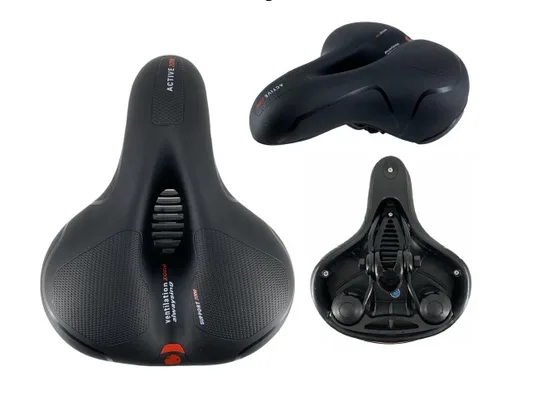
Trekking Comfort
XRH-2020
- Length × width
- 260 x 210 mm
- Reference weight
- 684.5 g
Find a starting shape for your commuter, comfort or utility e-bike range. Compare ChiZe models, then discuss mounting, cover, padding and private-label requirements with your sample request.
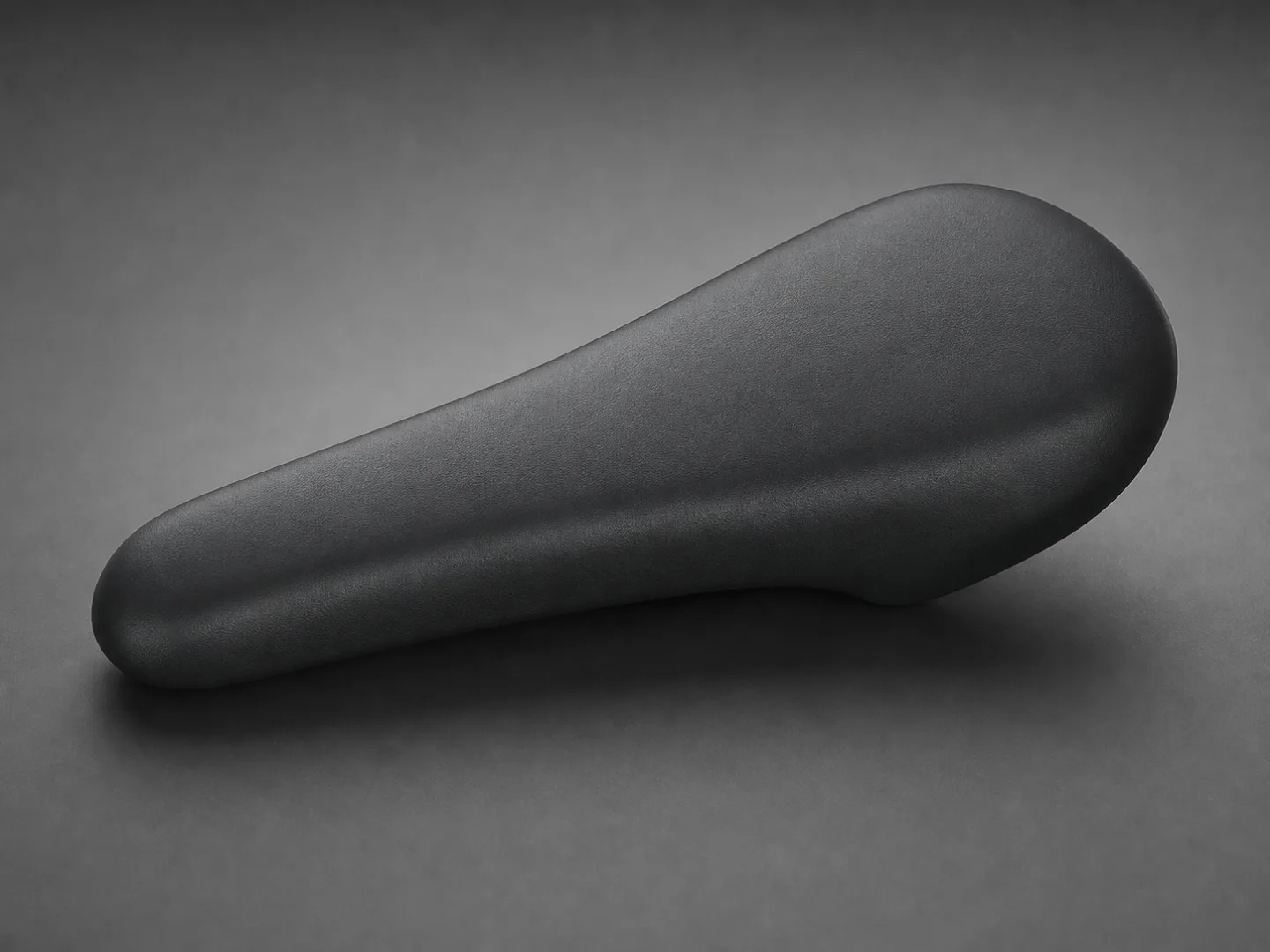
Compare the dimensions and reference weights below. Shortlist a shape, then check the mounting interface on your vehicle.
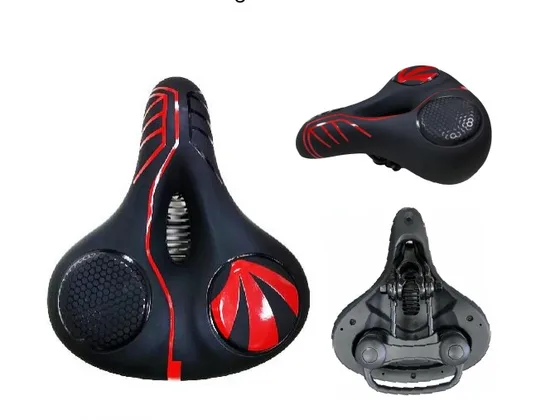
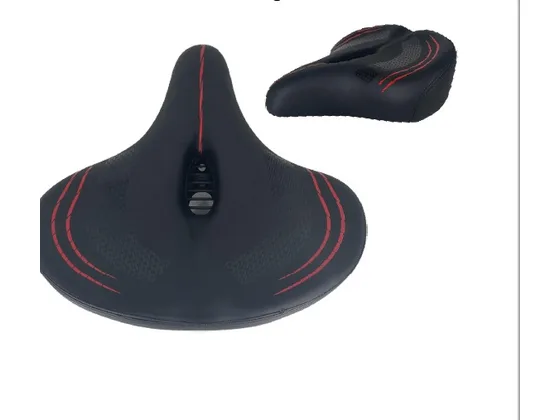
Read the model comparison for dimensions, fit checks and sample questions. For other shapes, browse all saddle series.
These photographs show the XRH-3055 from above, the side and underneath. Compare the profile and mounting with your vehicle, then confirm the final specification with a drawing or sample.
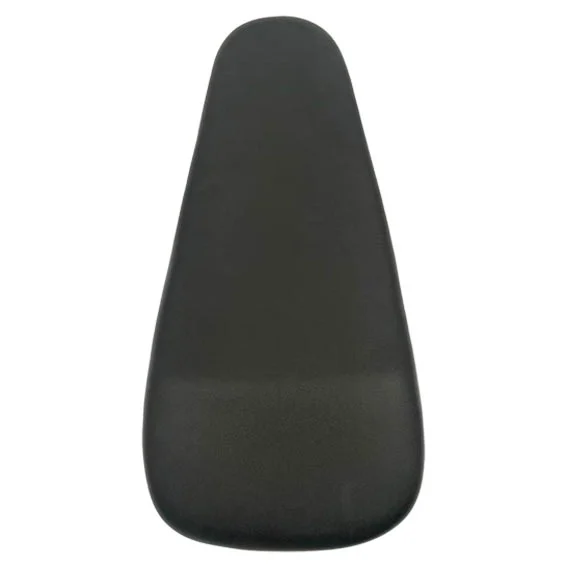
Use top-view photos to confirm surface contour, width and buyer appearance expectations.
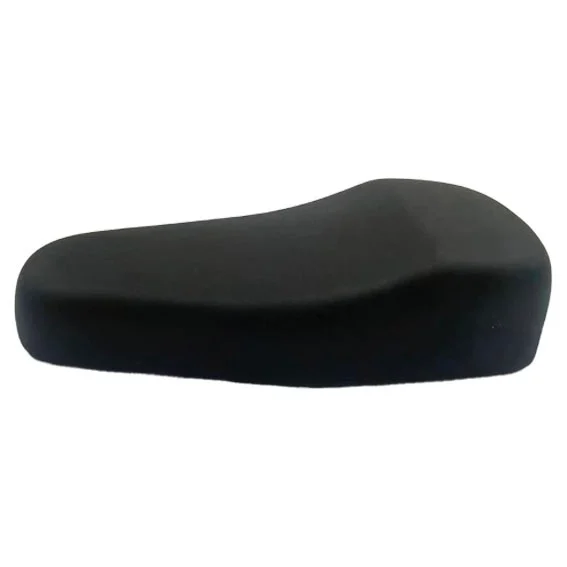
Side views support thickness, nose profile, rear support and comfort-position discussion.
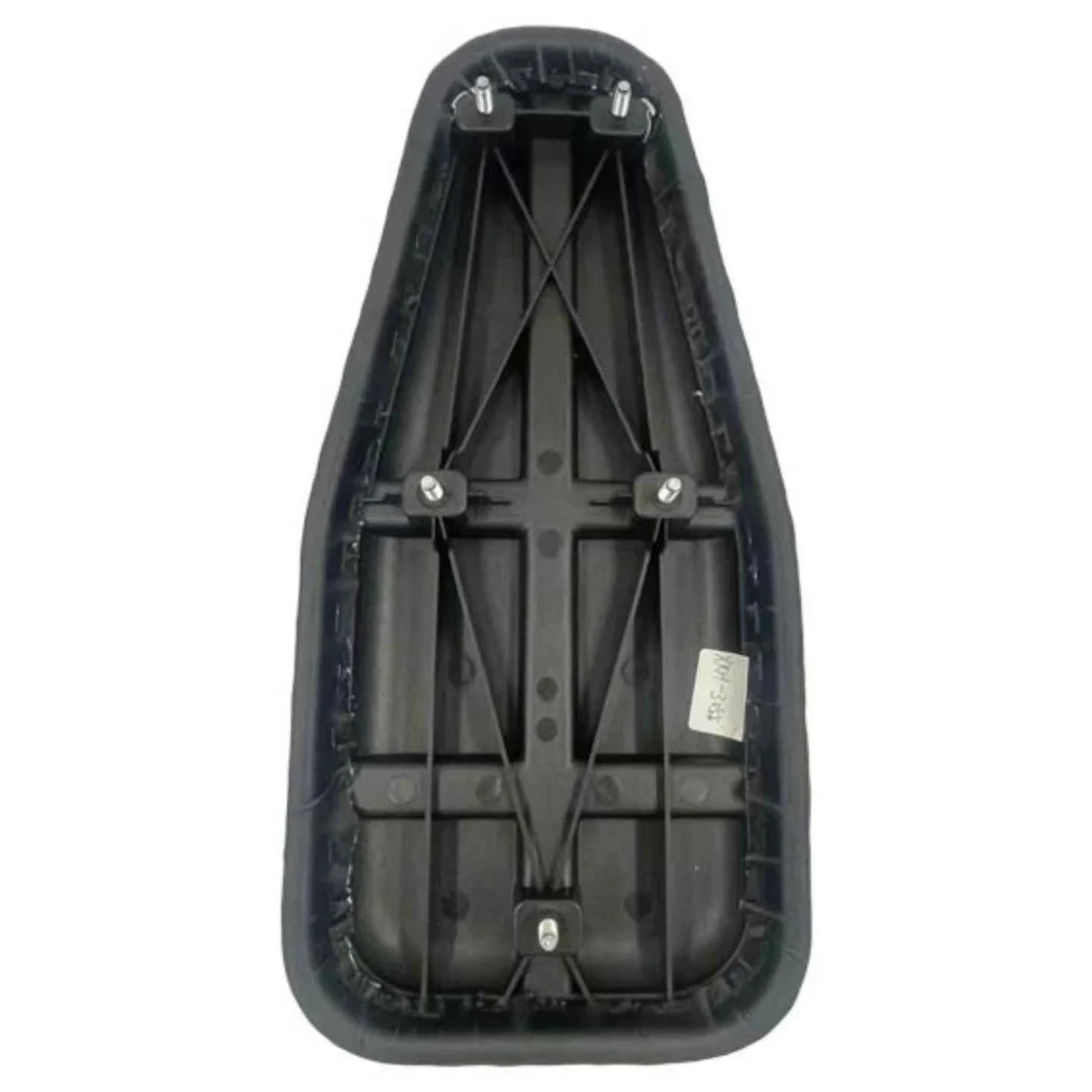
Underside photos help review rail spacing, shell geometry, clamp fit and production-critical interfaces.
Evidence boundary: ChiZe product photos support visual and interface discussion only. They are not inspection records, test reports, compatibility confirmation or evidence for a specific order.
| Cover | Material, grain, color, seams and intended exposure conditions |
| Foam | Contour, thickness, firmness target and comfort priority |
| Shell | Geometry, material target, reinforcement and underside clearance |
| Rail | Geometry, diameter, spacing, clamp interface and finish requirements |
Each e-bike saddle project is reviewed around structure, fit, inspection points and packing requirements before quotation and production approval.
Confirm cover material, foam target, shell structure and rail interface before sample approval.
Review the foam contour, underside clearance and rail geometry needed for the intended e-bike use case.
Check cover tension, seam direction, edge finish, rail alignment and visible surface consistency.
Confirm appearance, dimensions, weight, label, unit protection and carton requirements before shipment.
| Incoming materials | Cover surface, foam batch, shell / rail parts, hardware and packaging materials. |
| In-process assembly | Rail alignment, shell fit, cover tension, seam position, edge finish and surface consistency. |
| Dimension check | Length, width, height, rail spacing, clamp-critical geometry and weight reference. |
| Appearance check | Wrinkles, dents, color consistency, seam quality, logo position and underside finish. |
| Packing check | Unit protection, labels, carton condition, mixed-SKU separation and buyer packaging requirements. |
| Application | E-bike type, rider posture, commute / delivery use, target market and expected environment. |
| Saddle geometry | Length, width, height, profile, nose shape, rear support area and critical clearances. |
| Rail interface | Rail material, diameter, spacing, clamp fit and underside clearance. |
| Comfort structure | Foam thickness, firmness target, contour, gel requirement and shell flexibility target. |
| Cover & trim | PU / PVC preference, grain, color, seams, edge finish, waterproof target and logo method. |
| Commercial input | Annual quantity, target price range, packaging, private label scope and launch timing. |
Compatibility is not universal. Rail fit, saddle dimensions and the intended application should be confirmed from drawings, dimensions, photographs or a reference sample before approval.
Start compatibility review →Product references support the initial discussion; drawings, approved samples and applicable records control final decisions.
ChiZe XRH product photos, model codes, catalog dimensions and weights provide a starting point for discussion.
Final dimensions, materials and interfaces are confirmed against drawings, reference samples or an approved sample.
Inspection points and acceptance criteria are agreed for the actual construction before production approval.
Test methods and market requirements are confirmed only against applicable project documents.
Sample timing depends on whether the project uses an existing structure or requires new geometry, materials or tooling. Confirm timing after the design scope is reviewed.
Foam contour, thickness and firmness targets can be included in the project review. Feasibility and final values must be confirmed against the agreed construction and sample.
Include packaging artwork, label data, unit protection and carton requirements in the RFQ so availability can be confirmed for the actual program.
Share the e-bike application, mounting interface, quantity and material targets for a structured review.