
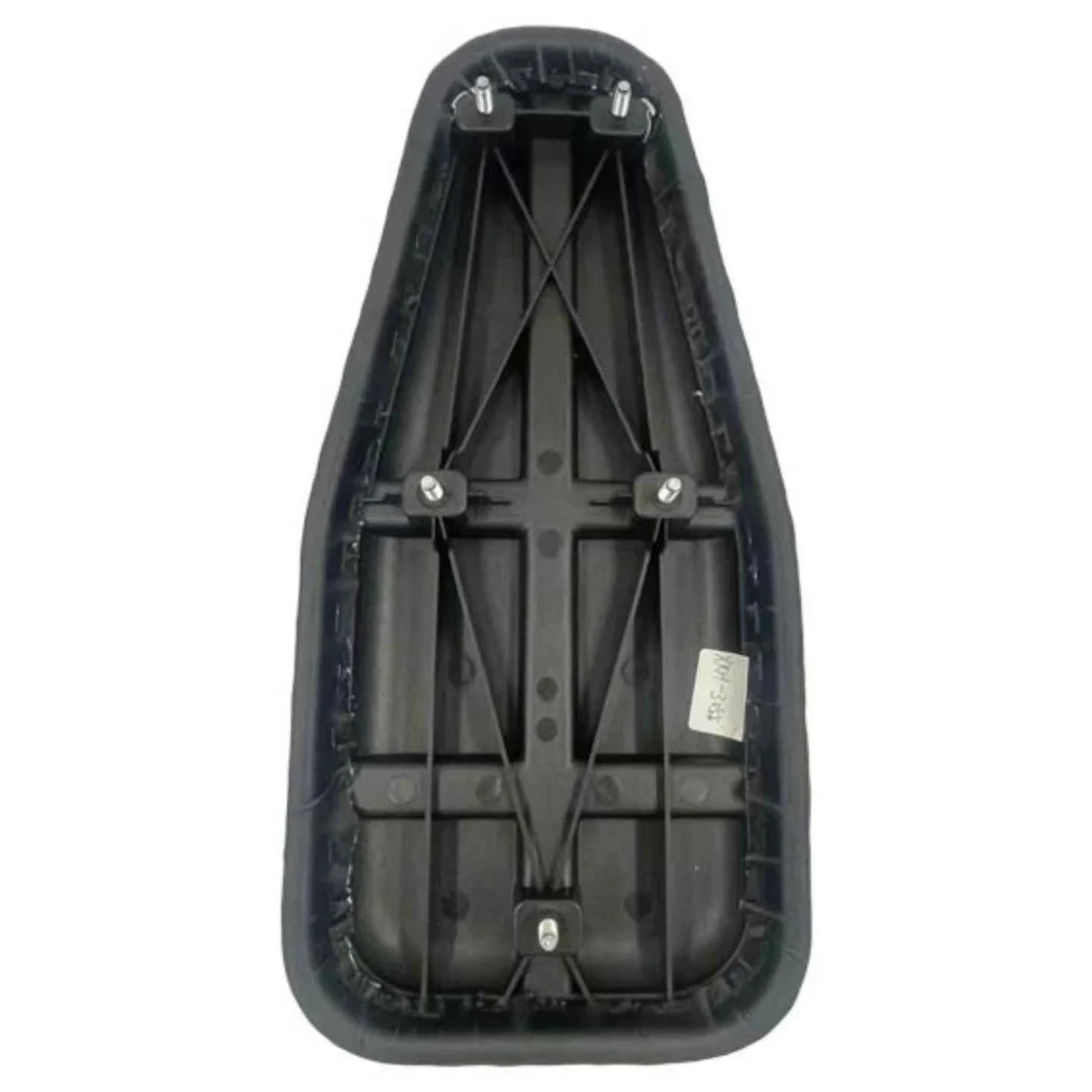
Saddle mounting
Compare the underside, mounting points and clearance with the intended vehicle before ordering a sample.
View XRH-3055Choose the product, check the fit and agree the details that matter to your order. Use the same model, drawing and sample reference throughout the discussion.
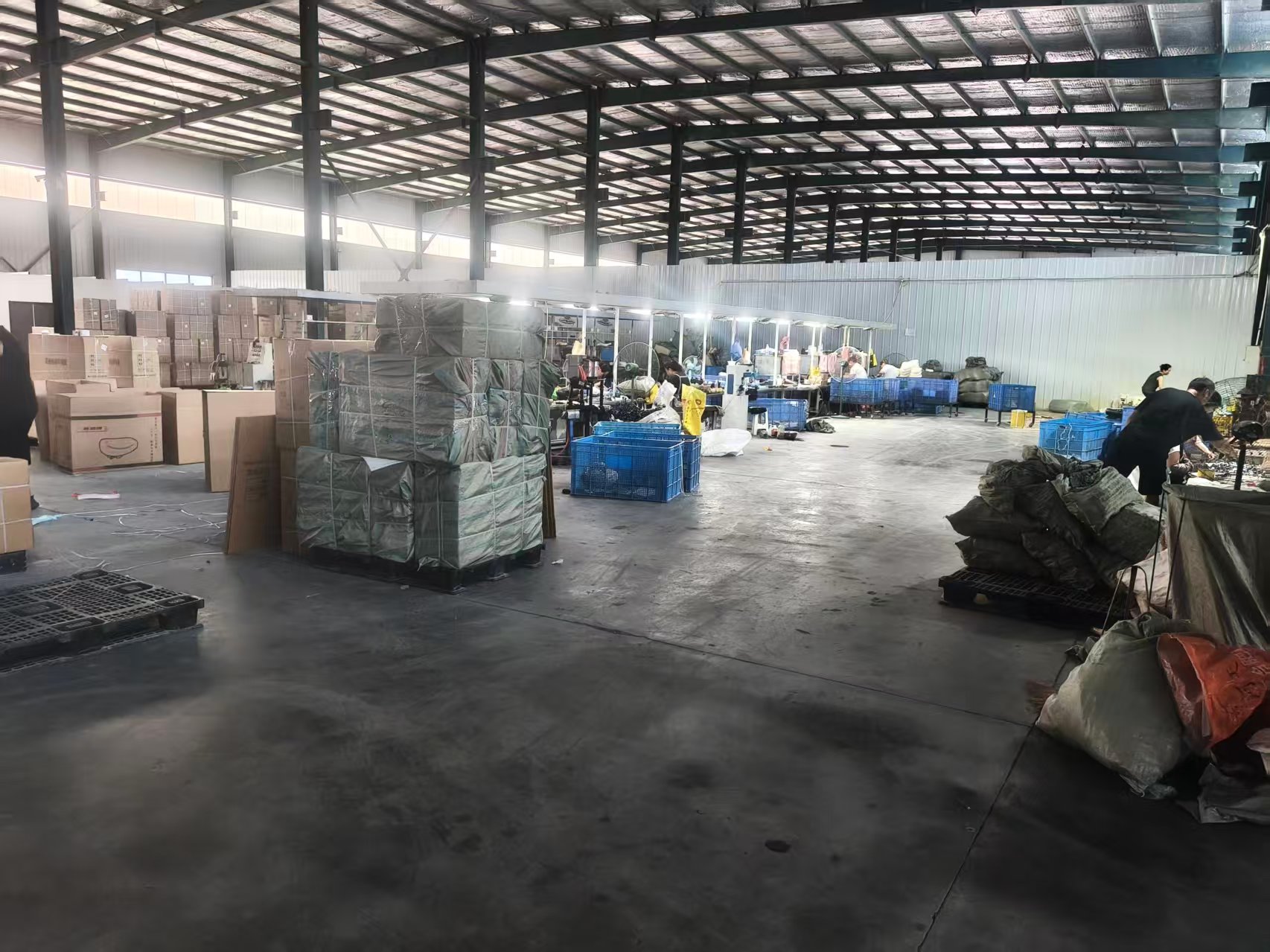
These product photographs and dimension references help you prepare the first fit check. Final compatibility and performance depend on the agreed configuration and its validation.
Compare the underside, mounting points and clearance with the intended vehicle before ordering a sample.
View XRH-3055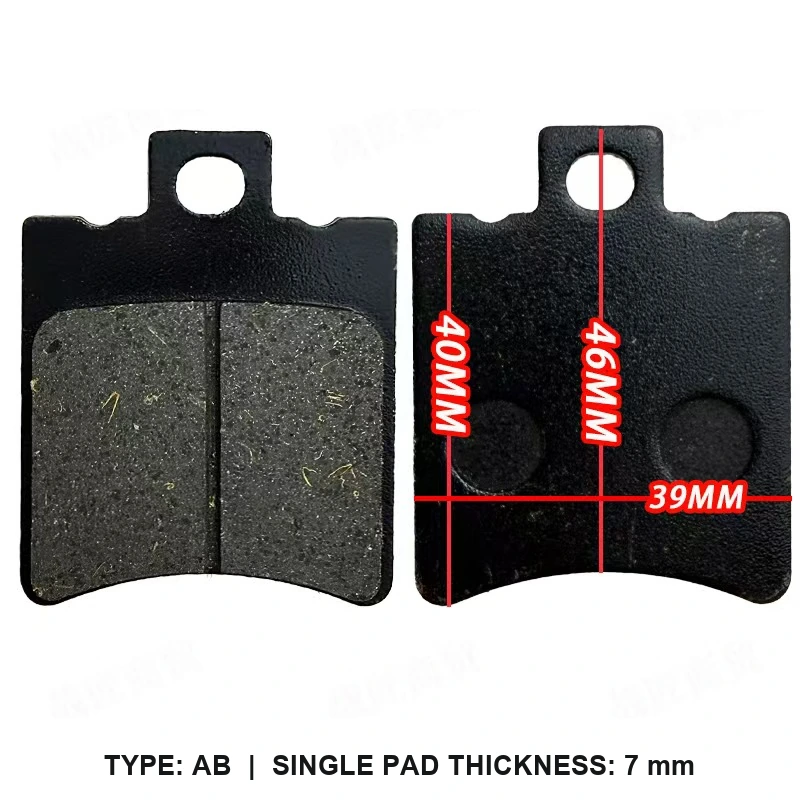
Use the supplied 46 × 40 × 39 mm outline measurements to start a caliper fit check. Confirm thickness, material and the mating system for the order.
View disc brake pad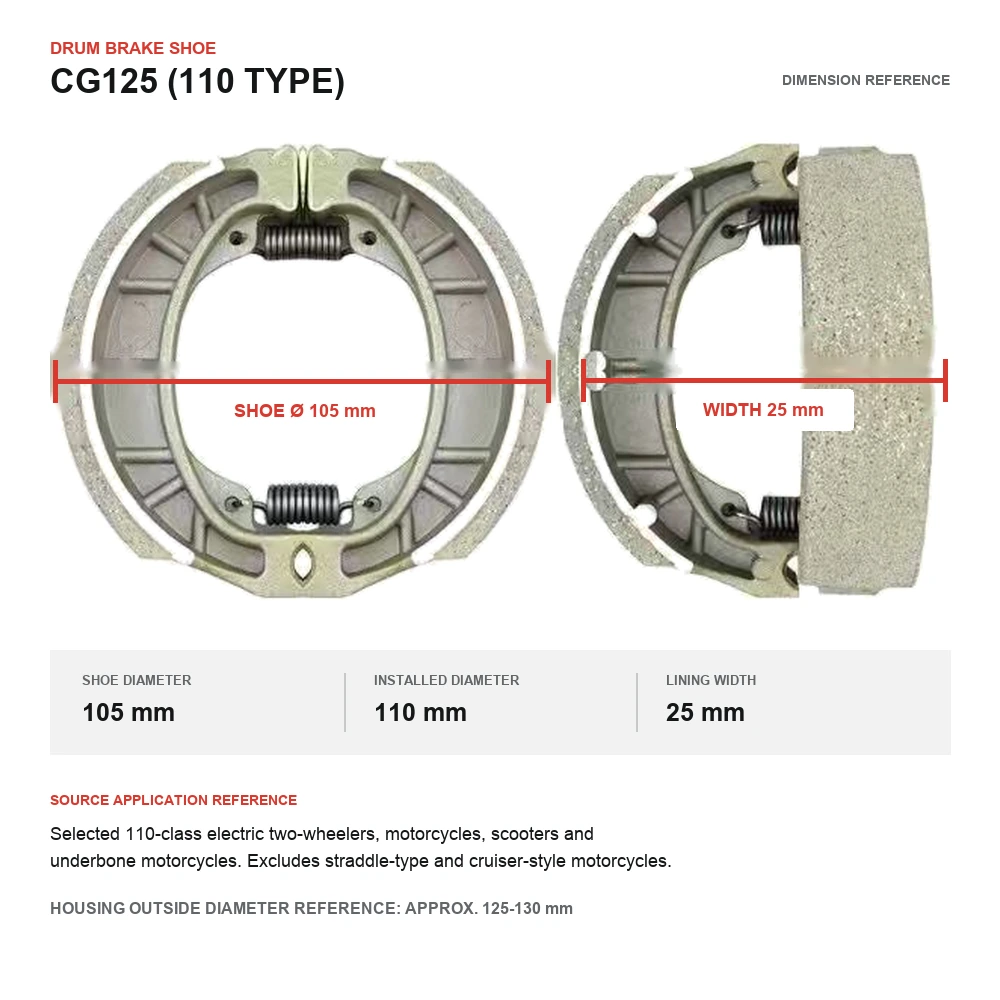
Compare the 105/110 × 25 mm size references, hub interface and supplied set contents against your drawing or sample.
View drum brake shoesTell us which dimensions, finishes and performance requirements are critical. The checklist below gives your purchasing and engineering teams a common starting point.
Record the selected model, drawing revision, materials, mounting details and changes from the catalog configuration. Agree the sample quantity, cost and schedule with the quotation.
Prepare a sample request →Use a ChiZe model, a drawing or a physical sample. Describe the vehicle and the changes you need.
Check dimensions, fit, appearance and the agreed tests. Identify changes before approving a revision.
Keep the approved sample or drawing with the final specification, quantity, packing and inspection requirements.
Include the destination market and any required standard or test report in your inquiry. Agree the test scope, method, sample construction and acceptance criteria before testing.
Request material and performance reports for the specific product and configuration you plan to order.
Explore custom saddle and seat projects →Start with the product and intended use. Add drawings, dimensions or test requirements when available.